
Dolphin Attack News: The Silent Threat Targeting Your Voice Assistant
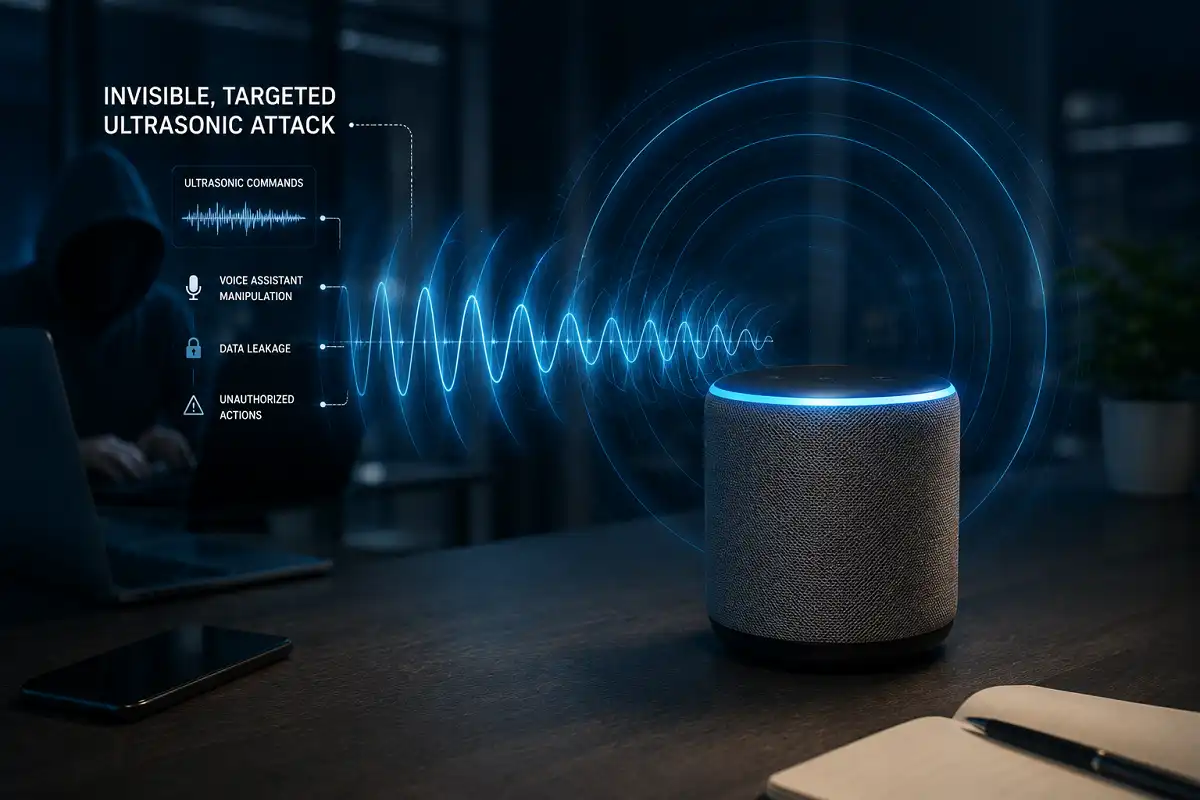
Dolphin attack news has been drawing growing attention from cybersecurity professionals and everyday device users alike. This threat involves using ultrasonic frequencies, sounds above the range of human hearing, to silently hijack voice assistants on smartphones, smart speakers, and vehicle systems. Because the commands are invisible to anyone in the room, the attack is particularly difficult to detect. This article breaks down what dolphin attack news really means, how the technique works, which devices are at risk, and what practical steps you can take to protect yourself.
Contents
What Is a Dolphin Attack?
The term dolphin attack news first gained mainstream visibility when academic researchers demonstrated that standard device microphones respond to ultrasonic input the same way they respond to human speech. The exploit takes advantage of a physical property of microphone hardware rather than a software flaw, which makes it harder to patch through updates alone.
An attacker encodes a voice command into an ultrasonic signal and broadcasts it toward a target device. The voice assistant receives the signal, interprets it as a spoken instruction, and carries it out, all without the device owner hearing anything unusual.
The Science Behind the Exploit
Microphones in consumer electronics capture a wider frequency range than human conversation actually requires. This is a hardware design reality rather than a deliberate feature. Dolphin attack news coverage from the research community has confirmed that this unintended sensitivity is consistent across a broad range of device types and manufacturers.
When researchers modulate commands into ultrasonic frequencies correctly, the microphone processes them just as it would normal speech. The voice assistant has no built-in way to distinguish the two.
How a Dolphin Attack Is Carried Out
Understanding how the attack works is central to making sense of recent dolphin attack news. The attacker needs an ultrasonic transducer, an amplifier, and signal processing software to encode the chosen voice command. Research has shown this setup can be built from commercially available components.
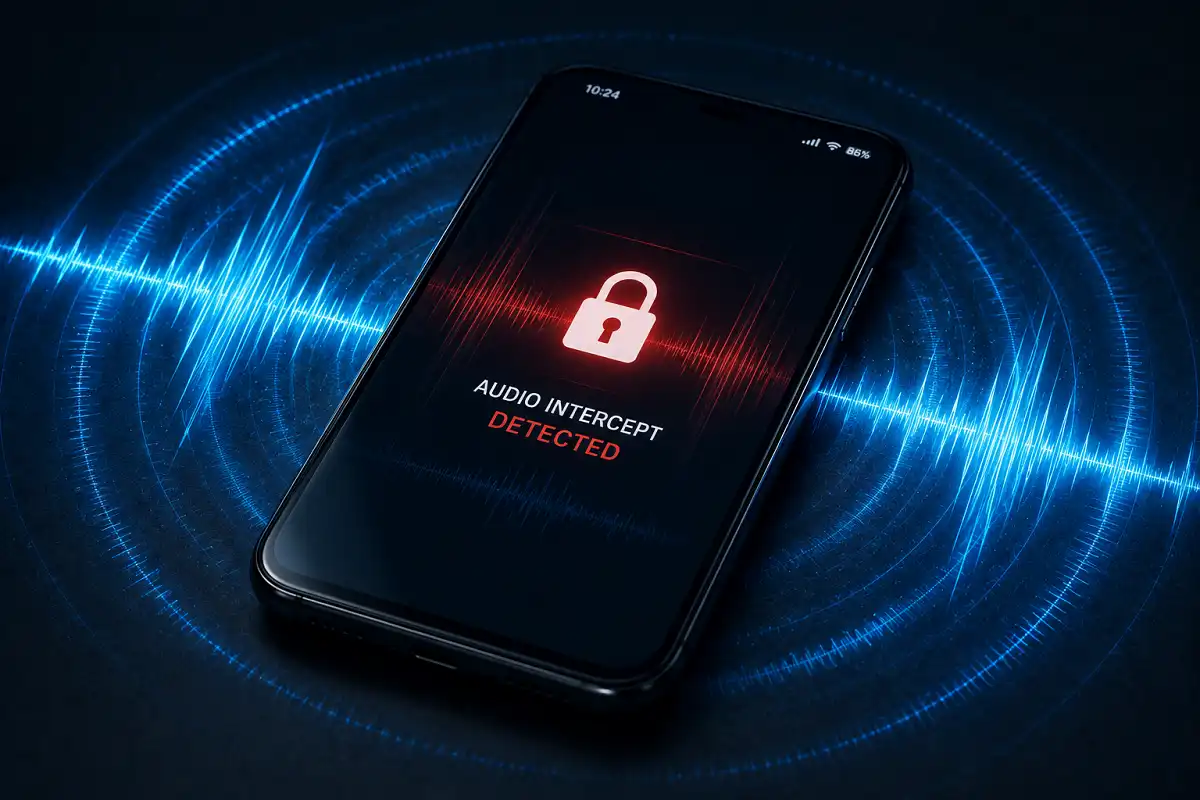
The process follows a straightforward sequence:
- A voice command is selected and encoded into an ultrasonic frequency
- The signal is broadcast toward the target device
- The device microphone picks up the ultrasonic input
- The voice assistant processes it as a legitimate spoken command
- The instruction is executed without the owner’s awareness
Effective attack range varies by transmitter strength. Some demonstrations have worked across several meters, raising concern about crowded public spaces where many voice-enabled devices are present simultaneously.
Which Devices Are Affected?
Any consumer device with a standard microphone and a voice assistant is potentially exposed. Dolphin attack news has confirmed the vulnerability across multiple categories of products that people use every day.
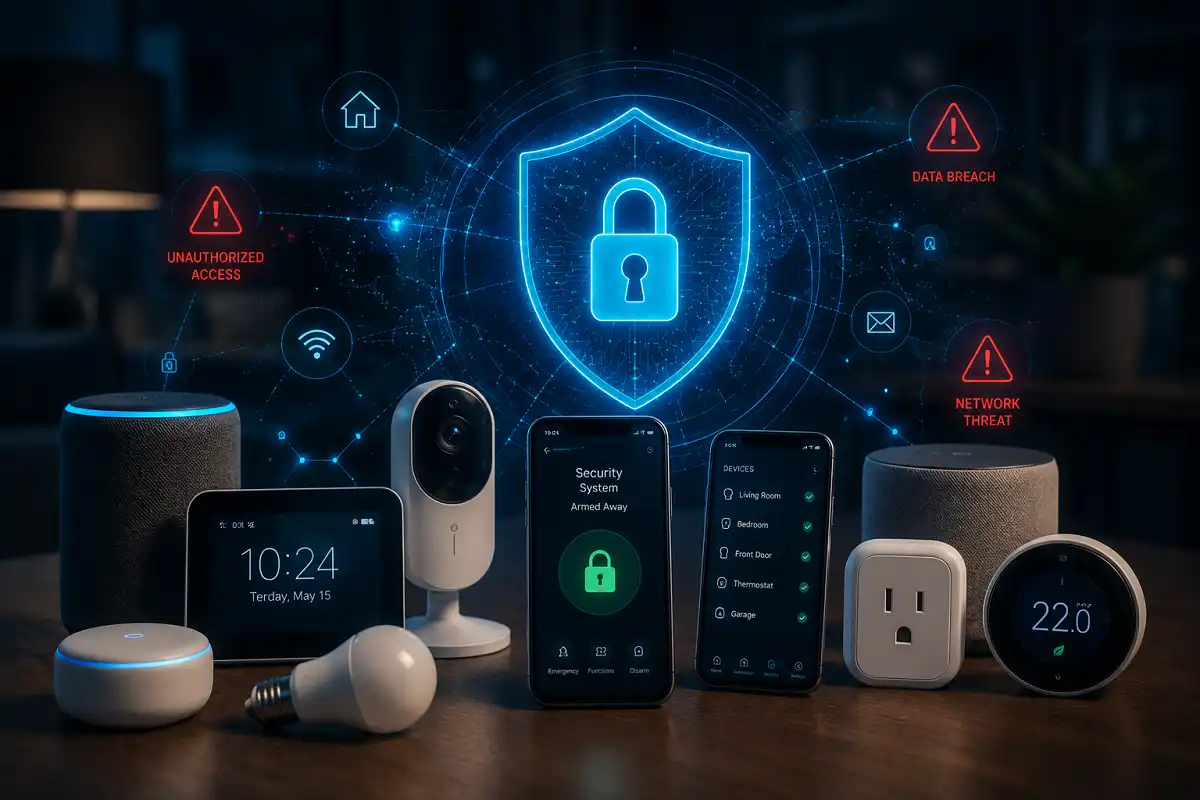
Commonly affected device types include:
- Smartphones running Siri, Google Assistant, or Bixby
- Smart speakers such as Amazon Echo and Google Nest
- Laptops with voice activation enabled
- Smart TVs with voice control features
- Vehicle infotainment systems with hands-free input
Because the vulnerability is rooted in microphone hardware rather than software, no single patch can resolve it across all existing devices. This is a key point that comes up repeatedly in dolphin attack news discussions among security researchers.
Recent Research and Developments
The cybersecurity community has continued building on original dolphin attack news findings. Follow-up studies have explored extended attack ranges, reduced equipment requirements, and hybrid techniques that combine ultrasonic signals with other methods such as laser-based audio injection.
These findings have been presented at major cybersecurity conferences and have prompted broader conversations about the security of voice-enabled ecosystems. For readers who keep up with how technology is reshaping daily life across India, coverage such as Nagpur’s top city stories for 2026 reflects just how rapidly connected devices are being adopted in urban environments, making awareness of threats like this all the more relevant.
Why This Threat Affects Everyday Users
Dolphin attack news is not limited to laboratory demonstrations. As voice assistants take on more sensitive roles, including managing payments, controlling smart locks, and accessing personal accounts, the potential consequences of an undetected ultrasonic command grow more serious.
This fits within a wider picture of evolving digital security challenges. Just as tracking high-stakes developments across other domains requires reliable sources, as seen in coverage of major security-related updates in 2026, staying current with dolphin attack news is part of being a well-informed user in a connected world.
The National Institute of Standards and Technology publishes ongoing guidance on securing connected and voice-enabled devices, making it a practical resource for both consumers and developers tracking this space.
How to Protect Yourself
No single measure eliminates the risk entirely, but combining several steps reduces exposure significantly. Anyone following dolphin attack news should consider the following actions:
Adjust device settings:
- Disable always-on voice activation when it is not needed
- Enable speaker verification so the assistant responds only to your voice
- Require device unlock before executing sensitive commands
Physical precautions:
- Avoid placing smart speakers near windows or external walls
- Stay aware of your surroundings when using voice commands in public
Keep devices updated:
- Apply firmware and software updates promptly
- Monitor manufacturer advisories for microphone-related security improvements
For readers who follow both tech and regional news together, sources covering Patna’s latest city updates and Gorakhpur’s 2026 developments highlight how smart device adoption is expanding across cities of all sizes, reinforcing why dolphin attack news is increasingly relevant beyond just tech-savvy audiences.
The OWASP Foundation maintains open resources on IoT and voice system attack vectors, offering practical technical depth for users who want to go further than basic precautions.
What Manufacturers Are Doing
Device makers have been aware of the core vulnerability highlighted in dolphin attack news for several years. Responses have included introducing speaker verification layers, adding secondary confirmation steps for sensitive commands, and exploring hardware-level ultrasonic filtering in newer product designs.
Progress has been uneven across the industry. Some manufacturers have moved faster than others, and older devices in active use remain largely unprotected at the hardware level. Responsible disclosure from the research community continues to push manufacturers toward more durable fixes.

FAQ
What is dolphin attack news about in simple terms?
Dolphin attack news covers a cybersecurity exploit where hidden ultrasonic sounds are used to send secret voice commands to devices like smartphones and smart speakers without the owner hearing anything.
Can a dolphin attack happen in a public place?
Yes, public spaces are a realistic concern because the attack can be attempted from a distance in any environment where the target device is present and voice activation is enabled.
Are all voice assistants equally vulnerable?
Most standard voice assistants share the same underlying hardware susceptibility, though some have added verification features that reduce the risk of unauthorized commands being executed.
Do software updates fix the problem completely?
Software updates can reduce risk by adding voice recognition checks and command restrictions, but they cannot eliminate the hardware-level microphone sensitivity that makes the exploit possible.
How often does dolphin attack news report real-world incidents?
Publicly confirmed real-world cases remain limited in published reporting, though the vulnerability itself has been reproduced reliably across multiple independent research studies.
Conclusion
Dolphin attack news is a clear signal that the convenience of voice technology comes with security trade-offs worth understanding. As smart devices become more central to daily routines, knowing how they can be exploited helps you make better decisions about how and where you use them. Simple steps like disabling always-on listening and enabling voice verification can make a real difference.