Record 45 Million Americans Set to Travel This Memorial Day as National Parks Tighten Safety Rules
Memorial Day weekend 2026 is on track to become the busiest in American history, with AAA projecting 45 million people will travel at least 50 miles from home between Thursday, May 21 and Monday, May 25. The forecast arrives during an unusual moment for the travel industry, when fuel prices sit at their highest level since 2022 and several national parks have reopened high-traffic trails just as grizzly bears emerge from hibernation with cubs.
That mix of pent-up demand and rising outdoor risk has put a sharp focus on trip planning, especially for first-time campers and hikers heading into the backcountry. Independent outdoor blogs like outdoorawaits.com, which covers camping, hiking, and travel planning for everyday adventurers, have reported a steady rise in reader interest around route safety, bear awareness, and budget road-trip prep ahead of the long weekend. Industry watchers say the pattern reflects a broader shift this year. More Americans are still traveling, but they are also paying closer attention to where they go, how much it costs, and what could go wrong on the trail.
Contents
Travel Volume Hits a New Peak
According to AAA, 39.1 million people will travel by car over Memorial Day weekend and 3.66 million are expected to fly. Stacey Barber, Vice President of AAA Travel, said in a statement issued by AAA that “travel demand remains strong, and despite higher fuel prices, many people are prioritizing leisure travel during holiday breaks.” Pump prices currently average above $4.50 per gallon in many regions. Yet driving still accounts for roughly 87 percent of Memorial Day trips.
Airfare offers some relief. Round-trip domestic flights are about 6 percent cheaper than last year, especially for travelers who booked early. However, summer fuel pressure has already forced global carriers to cut roughly 13,000 flights and nearly two million seats from May schedules, so international travelers face thinner options on long-haul routes.
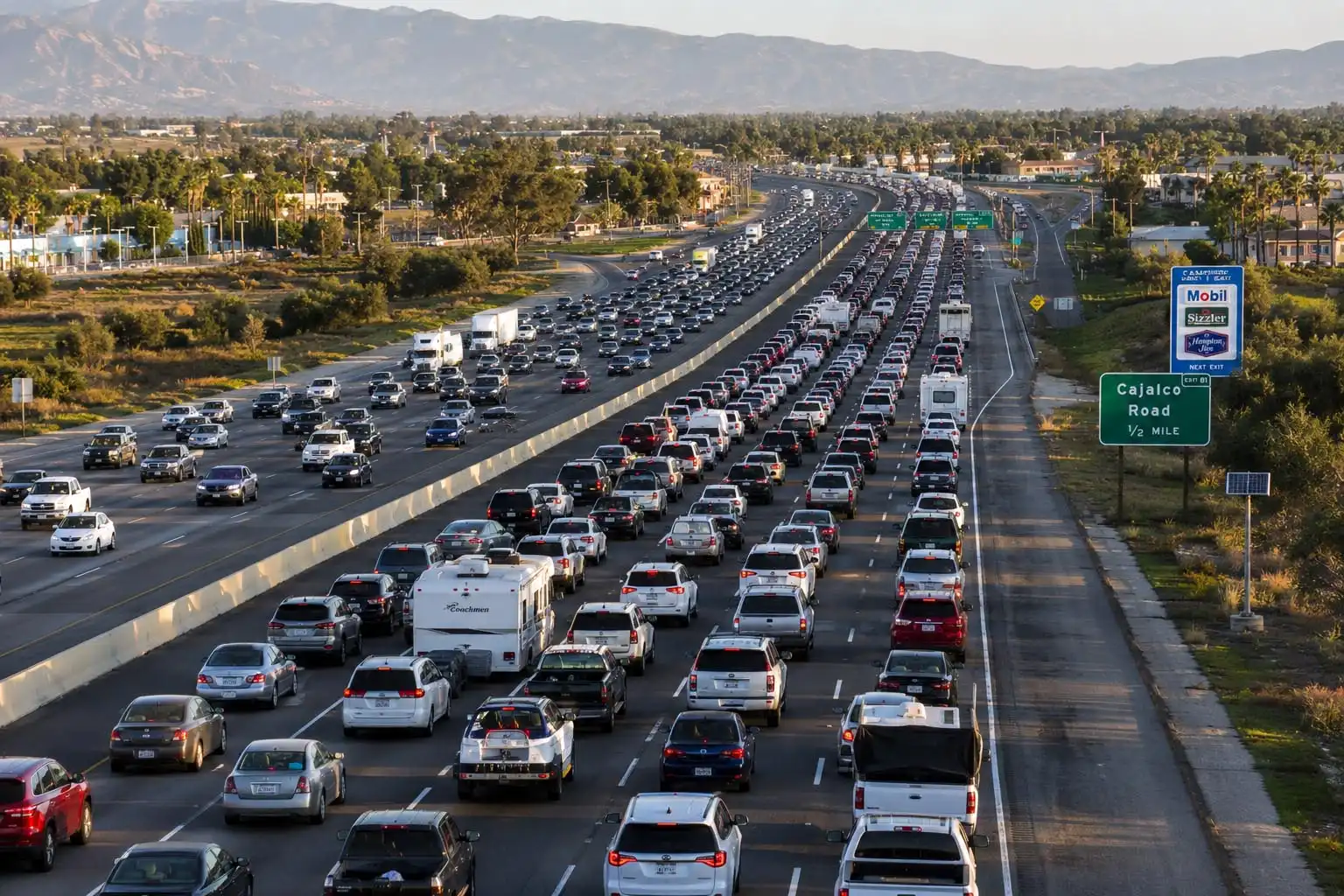
INRIX, which tracks road conditions, expects the heaviest congestion on Thursday and Friday between 3 p.m. and 6 p.m., and again on Monday afternoon. Sunday should be the lightest day for traffic, barring any unexpected events on the road. So drivers heading to coastal beaches, lake towns, or mountain trailheads will likely save hours by leaving early in the morning or shifting their return to a weekday.
Orlando Tops the Domestic List
AAA booking data puts Orlando in the number one spot for domestic destinations, fueled by the recent opening of Universal’s Epic Universe and continued demand for Walt Disney World. After Orlando, top picks include Seattle, New York, Las Vegas, and Anchorage. Cruise traffic in the Pacific Northwest and Alaska has also surged, while European capitals dominate the international list.
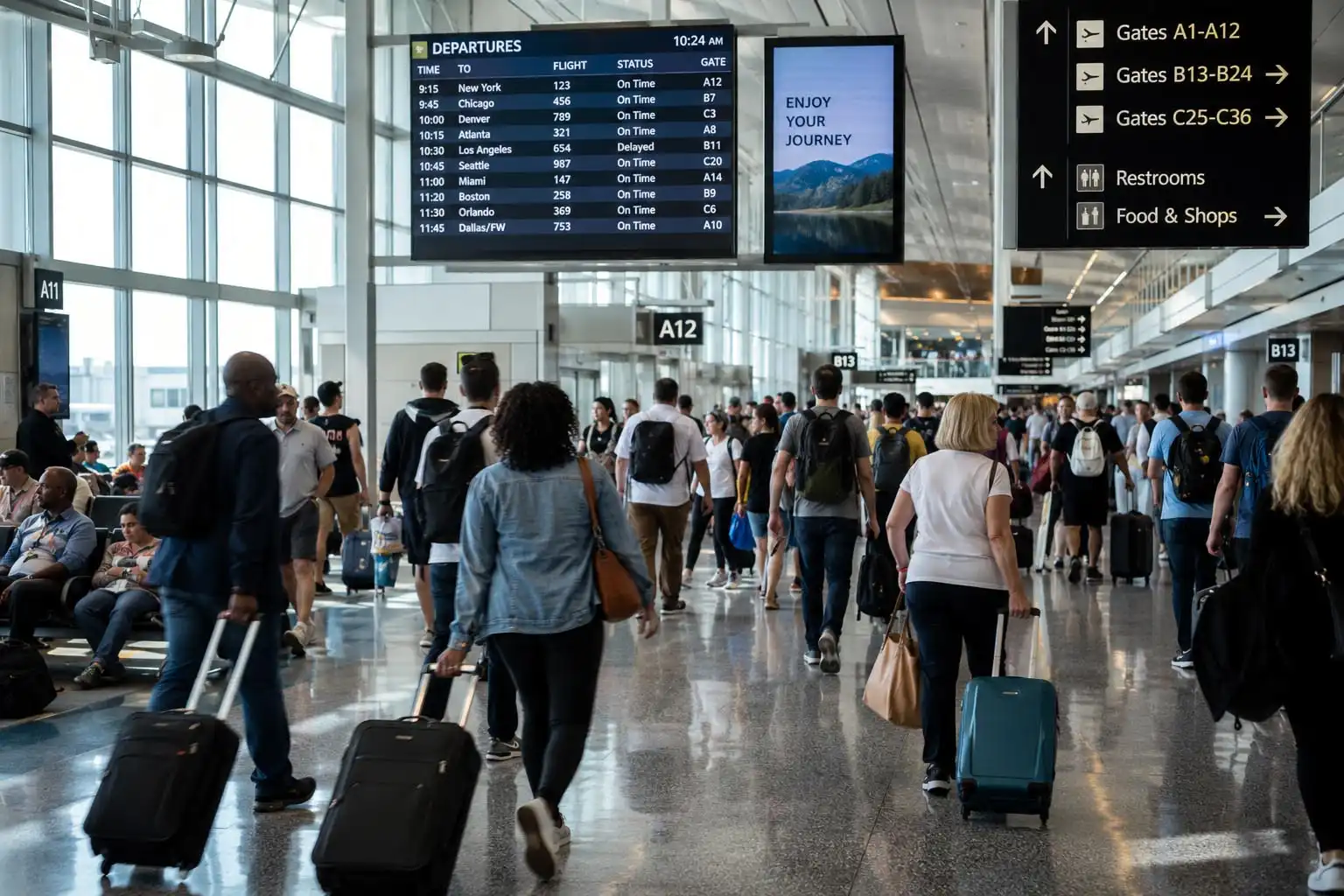
For travelers headed abroad, the rules have also changed. The European Union’s biometric Entry/Exit System became mandatory across all 29 Schengen countries on April 10, replacing passport stamps with fingerprint and facial image registration for non-EU nationals. Processing times have run up to 70 percent longer at some airports during peak hours. Travelers heading to the United Kingdom must also hold a £16 Electronic Travel Authorization, valid two years, before boarding.
National Parks Brace for Crowds and Bear Encounters
Outdoor destinations face a different kind of pressure. Yellowstone National Park recorded its first bear attack of 2026 on May 4, when two male hikers, ages 15 and 28, were seriously injured by a female grizzly bear with cubs on the Mystic Falls Trail near Old Faithful. Both victims were airlifted to a hospital in Idaho Falls. The park has since closed multiple trails and backcountry campsites in the area, including parts of the Firehole River and the Fairy Falls Trail north of the Grand Prismatic Overlook. 9NEWS
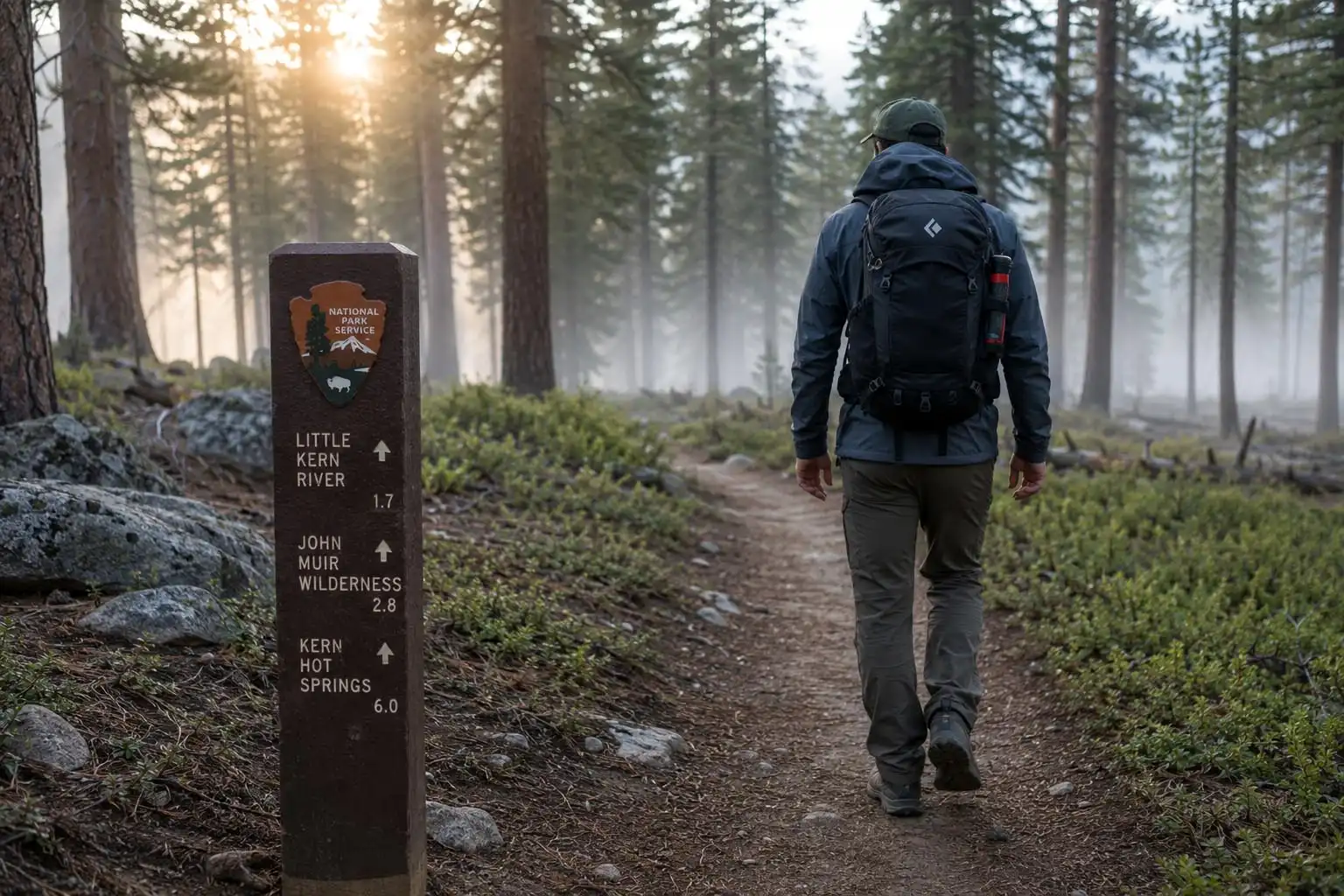
Officials at the National Park Service have urged hikers to stay at least 100 yards from bears, hike in groups, make noise on the trail, and carry bear spray. According to the National Park Service, there have been an average of five bear encounters within the park boundary every year since 2021, a small number relative to the four to five million annual visitors. Still, spring sharply increases the risk because mother grizzlies emerge from dens fiercely protective of newborn cubs.
The Yellowstone incident has also reopened questions about trail access policy. Up until 2024, the region where the attack occurred had been included in a bear management area where visitation was restricted through Memorial Day, since bears were known to congregate in the area each spring. It was reopened to spring hiking in 2024, a decision park officials are now reviewing.
Cost Pressures Reshape How People Travel
Higher fuel costs are not killing demand, but they are reshaping it. According to recent Skift coverage of the summer outlook, higher-earning households are driving most of the travel spending, while lower-income households are scaling back. So tent camping, short-haul road trips, and midscale hotel bookings have climbed as travelers swap resorts for state parks and longer flights for nearby drives.
Several airlines have also failed to weather the squeeze. Ultra low-cost Spirit Airlines has gone out of business after 34 years. Industry analysts have flagged JetBlue, Avelo, Frontier, Allegiant, and Sun Country as carriers most exposed to financial stress. Travelers booking on smaller airlines are being advised to use credit cards with trip protection and to buy travel insurance that covers financial default within 14 days of their first deposit.
Health Alerts Add a New Layer
On May 7, the U.S. Centers for Disease Control and Prevention dispatched a team to the Canary Islands to investigate a hantavirus cluster on a cruise ship returning from Antarctica. The CDC’s health advisory confirms eight cases (six confirmed and two suspected), including three deaths, linked to the Andes virus. So far, the agency rates the risk to the broader American public as extremely low.
For most Memorial Day travelers, however, the bigger health concerns will be far more familiar: heat exposure, dehydration, foot blisters, and tick bites. Public health experts recommend packing electrolytes, sun protection, and a basic first-aid kit, especially for road trips through the desert Southwest and any backcountry hiking.
What to Watch Beyond Memorial Day
Looking ahead, the summer outlook stays strong but uneven. AAA expects continued record travel volumes through July and August. Meanwhile, smaller coastal towns, secondary cities, and national park gateways in the Mountain West are seeing rising interest from travelers who want to skip the worst crowds without skipping the trip.
The bottom line for Memorial Day 2026 is clear. Demand is at a record high, but so are the variables: fuel prices, border procedures, wildlife activity, and even airline stability. Therefore, planning ahead, booking flexible fares, and respecting park advisories will go further this year than in any recent season.