

Introduction
In today’s hyper-connected digital world, MMS viral video news has become one of the most rapidly spreading forms of media content online. Whether shared through messaging applications, social platforms, or direct peer-to-peer networks, viral MMS video clips can reach millions of viewers within hours — shaping public discourse, sparking controversy, and sometimes causing real-world consequences for individuals and communities alike. Understanding this phenomenon is no longer optional; it is essential for anyone navigating the modern internet landscape.
From leaked footage to breaking news clips, the term “MMS viral video” covers a broad spectrum of content that travels through mobile messaging systems at extraordinary speed. The cultural weight carried by a single trending MMS video can be enormous — it can topple reputations, ignite social movements, influence elections, and even trigger legal proceedings. This comprehensive guide breaks down everything you need to know about MMS viral video news: how it works, why it spreads, what the ethical and legal implications are, and how you can protect yourself in a world where anyone can become the subject of a viral clip.
What Is an MMS Viral Video?
MMS stands for Multimedia Messaging Service — a standard protocol that allows users to send multimedia content such as images, audio, and video through mobile networks. Unlike a standard SMS text message, an MMS message can carry video files, making it a powerful and personal channel for content distribution. When a piece of video content shared through this medium catches fire and gets forwarded thousands or millions of times, it becomes what the internet calls an MMS viral video.
The mechanics are deceptively simple. One person receives a video clip, finds it shocking, funny, scandalous, or emotionally powerful, and forwards it to their contacts. Those contacts do the same. Within hours, what started as a private clip on one phone can be circulating across WhatsApp groups, Telegram channels, Instagram DMs, and Twitter threads simultaneously. The virality is exponential, and the original source is almost always impossible to trace with certainty.
It is important to distinguish between different categories of MMS viral video news. Some viral MMS videos are genuinely newsworthy: footage of accidents, political events, public misconduct, or whistleblower evidence that serves the public interest. Others are purely entertainment-driven — funny moments, cute animals, or astonishing stunts. However, a significant and troubling category involves private or sensitive footage shared without consent, which raises serious legal and ethical concerns that will be addressed later in this article.
The History of Viral MMS Video Culture
The concept of viral video content predates smartphones, but the emergence of MMS technology in the early 2000s fundamentally changed how video spread. Before dedicated social media apps, MMS was the primary means by which people shared video clips person-to-person on mobile devices. Early viral MMS videos were often grainy, low-resolution clips — but their novelty made them powerful tools of communication and cultural exchange.
By the mid-2000s, platforms like YouTube gave viral video a public home, but MMS remained the grassroots engine beneath it all. A video might be recorded, shared via MMS to hundreds of people, and then uploaded to YouTube — creating a feedback loop between private sharing and public broadcasting. This hybrid distribution model is still very much alive today, just running on far faster networks and far more powerful devices.
The smartphone revolution — specifically the widespread adoption of 4G networks and apps like WhatsApp, Telegram, and Snapchat — supercharged MMS viral video culture. Today, over two billion people use WhatsApp alone, and forwarding a video takes no more than two taps. The infrastructure for mass viral spread exists in the pocket of nearly every adult on the planet, making MMS viral video news an unstoppable force in the modern media ecosystem.
Why Does MMS Viral Video News Spread So Fast?
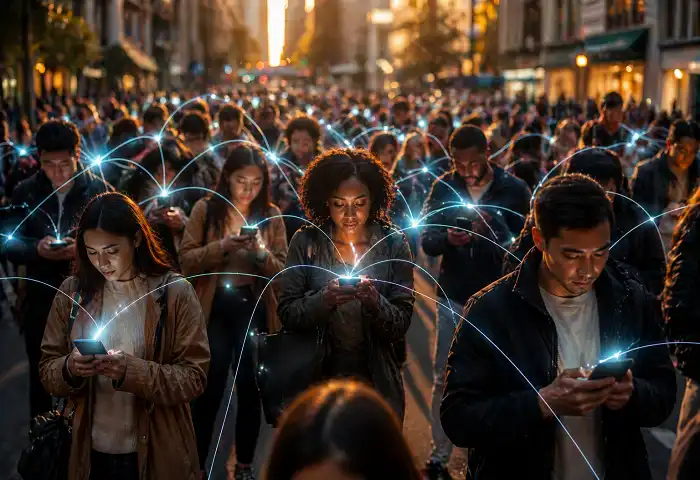
Understanding why MMS viral video news spreads so explosively requires a look at both technology and human psychology. On the technological side, modern messaging applications are optimized for frictionless sharing. A video can be forwarded to an entire group chat with one button. Compression algorithms ensure that even large video files transfer quickly over mobile networks, removing barriers that once slowed content distribution significantly.
On the psychological side, humans are hardwired to share content that triggers strong emotional responses. Research in behavioral psychology consistently shows that content evoking surprise, outrage, awe, or amusement is far more likely to be shared than neutral content. A trending MMS video that shocks the viewer creates an almost involuntary urge to show it to others — “You won’t believe what I just saw.” This emotional contagion is the engine that drives viral spread across every platform and demographic.
Social proof amplifies the effect further. When someone is told that a particular viral video online has already been seen by thousands of people, they feel compelled to watch and share it themselves — no one wants to be the last to know about a trending story. This herd mentality is exploited by both legitimate media outlets covering MMS viral video news and by bad actors who deliberately manufacture virality around misleading or harmful content.
Categories of MMS Viral Video News
1. Citizen Journalism and Breaking News
One of the most socially valuable forms of MMS viral video news is genuine citizen journalism. When bystanders capture footage of significant events — natural disasters, political protests, police conduct, accidents, or public emergencies — and share it via MMS, the result can be genuinely groundbreaking. Some of the most important news stories of the past decade were first broken not by professional journalists, but by ordinary people with smartphones who happened to be in the right place at the right time.
This type of viral clip news democratizes information in ways that were simply impossible before the smartphone era. Governments and institutions that once controlled the flow of information now face the reality that any event witnessed by a member of the public can become global news within hours. This accountability function is one of the most powerful and positive aspects of the MMS viral video phenomenon, and it has permanently altered the relationship between citizens, media, and power.
2. Entertainment and Humor
Not all viral MMS video content carries weight or controversy. A huge category of trending MMS video content is purely entertaining — funny fails, heartwarming animal videos, incredible athletic feats, or clever comedy sketches. These videos spread because they bring joy or laughter, and their virality is almost entirely harmless. This is the lighter, brighter side of digital media viral content, and it represents the majority of what most people share in their day-to-day messaging conversations with friends and family.
3. MMS Scandal News and Leaked Content
This is the most sensitive and legally fraught category of MMS viral video news. MMS scandal news typically refers to private or intimate videos — often recorded without consent or shared without the subject’s permission — that circulate online. This type of content causes immeasurable harm to its victims, and its spread constitutes a serious violation of privacy and, in most jurisdictions, a criminal offense under existing or newly enacted legislation.
Leaked MMS video content involving public figures — celebrities, politicians, influencers — often generates enormous amounts of online traffic and media coverage. The sensationalism surrounding such stories can make them appear glamorous or titillating, but the reality is that behind every leaked MMS video is a real person who has suffered a profound violation. Responsible consumption of MMS viral video news means refusing to engage with or share content of this nature.
4. Misinformation and Manipulated Footage
A growing and deeply alarming category of viral video online involves deliberately manipulated or decontextualized footage spread to deceive. A video clip from one country might be shared with false captions claiming it occurred in another. Old footage might be repackaged as breaking news. Deepfake technology — AI-generated synthetic video — is making it increasingly difficult to distinguish authentic viral clip news from fabricated content designed to mislead.
This type of MMS viral video misinformation has real-world consequences. False viral videos have incited communal violence, destroyed political careers, caused stock market movements, and contributed to public health crises by spreading medical disinformation. Fact-checking before sharing is not just responsible behavior — it is a civic duty that each of us must take seriously in today’s information environment.
Legal Implications of MMS Viral Video Sharing
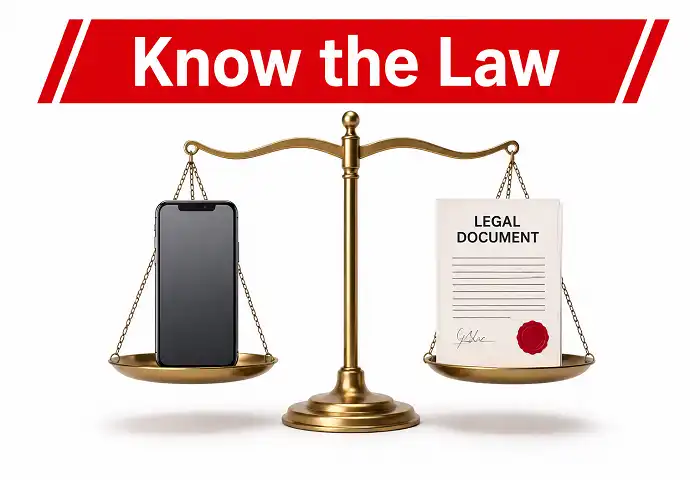
The legal landscape surrounding MMS viral video news is complex and evolving rapidly. Laws differ significantly across countries, but several broad legal principles apply in most jurisdictions where digital media regulation has kept pace with technology and the realities of modern communication.
Privacy Law: Sharing a private video of an individual without their consent — particularly intimate or sensitive footage — typically violates privacy law. In many countries, including the United States, the United Kingdom, India, Australia, and across the European Union, doing so can result in civil liability and criminal prosecution. The EU’s General Data Protection Regulation (GDPR) treats video footage of identifiable individuals as personal data, giving subjects significant legal rights over how that data is processed and distributed.
Revenge Porn Laws: The non-consensual sharing of intimate images or video — commonly known as “revenge porn” — is now a specific criminal offense in dozens of countries. Penalties range from fines to imprisonment, and prosecutions have become increasingly common as law enforcement agencies have developed the technical capacity to trace the origin of viral MMS video content through digital forensics and platform cooperation.
Defamation: When a manipulated or misleading MMS viral video damages an individual’s reputation, the creator and even distributors of the video can face defamation claims. High-profile cases have resulted in multi-million dollar settlements, particularly when the subject of a fake viral clip news story can demonstrate tangible reputational or financial harm resulting from the deliberate spread of false content.
Platform Liability: Social media platforms and messaging services are under increasing regulatory pressure to remove harmful viral video online content quickly. Platforms that fail to act may face significant fines under legislation like the EU’s Digital Services Act or India’s Information Technology Rules. This pressure has led to better — though still imperfect — content moderation systems across the major platforms.
The Social and Psychological Impact of MMS Viral Video News
Beyond the legal dimension, the social and psychological impact of MMS viral video news — particularly harmful content — is profound and long-lasting. Individuals who become the subject of a trending MMS video without their consent report experiencing severe anxiety, depression, social withdrawal, and in the most extreme cases, suicidal ideation. The permanence of digital content means that even after a video is removed from mainstream platforms, it often continues to circulate in private messaging groups and dark web repositories.
For communities, the spread of viral clip news involving ethnic, religious, or political groups can inflame existing tensions and contribute to real-world conflict. False viral videos depicting violence or misconduct have been credibly linked to riots and mob violence in multiple countries around the world. The speed at which MMS viral video content spreads means that corrections and fact-checks almost always reach a far smaller audience than the original false content — a fundamental asymmetry with serious societal implications.
Children and teenagers are particularly vulnerable to the negative effects of viral MMS video culture. Young people whose private content is shared without consent face unique and devastating consequences in school and social environments. Cyberbullying via viral content is a documented contributor to youth mental health crises globally, and educators, parents, and policymakers are still struggling to develop adequate responses to this challenge.
How to Identify Authentic MMS Viral Video News
With misinformation rampant in the digital media viral content ecosystem, developing the skills to identify authentic MMS viral video news is more important than ever. Here are evidence-based strategies used by professional fact-checkers and investigative journalists worldwide.
Reverse Image and Video Search: Tools like Google Reverse Image Search, TinEye, and InVID/WeVerify allow users to check whether a video has been previously published with different context or captions. This simple step catches a large proportion of recycled viral video online content that has been falsely relabeled to create a misleading impression of current events.
Source Verification: Ask yourself: who is sharing this trending MMS video, and why? Anonymous accounts or accounts with very short histories sharing explosive content should be treated with deep skepticism. Reputable journalists and verified news organizations are far more reliable sources of MMS viral video news, even if they are sometimes slower to publish than viral social media accounts.
Contextual Clues: Look carefully at the video itself. What language is spoken? What signage is visible? What are people wearing? What vehicles or infrastructure appear in the background? These contextual clues can help confirm or contradict the claimed time and location of the footage. Inconsistencies between the visual evidence and the claimed context are a strong indicator of manipulation or deliberate deception.
Cross-Reference Reputable Outlets: If a viral clip news story is genuinely significant, reputable news organizations will cover it with verification. If a supposed bombshell MMS viral video is only circulating in messaging groups and obscure social media accounts with no pickup from established media, that is a strong warning sign that the content may be false, misleading, or taken out of context.
Protecting Yourself in the Age of MMS Viral Video
Personal digital safety has become one of the defining challenges of modern life, and MMS viral video news culture is a significant part of that challenge. Whether you are worried about your own private content being leaked or about your children being exposed to harmful material, proactive steps can make a meaningful difference in your digital security posture.
Think Before You Record: The single most effective protection is preventing harmful content from existing in the first place. Before recording sensitive content on a device connected to cloud services or shared networks, consider the potential consequences if that footage were to be accessed by others. Cloud backup settings, in particular, should be reviewed carefully — many people are unaware that their phone automatically uploads videos to cloud servers that may be vulnerable to unauthorized access.
Secure Your Devices: Strong passcodes, biometric authentication, and up-to-date operating systems significantly reduce the risk of unauthorized access to your personal video content. Phishing attacks, which trick users into surrendering login credentials, are one of the most common methods through which private video content is stolen and turned into leaked MMS video material that then goes viral online.
Know Your Rights: If you discover that your private content is circulating as a MMS viral video without your consent, you have legal options available to you. Document as much as possible, contact the platforms hosting the content immediately using their formal reporting mechanisms, and seek legal advice from a professional familiar with cybercrime and digital privacy law. Many jurisdictions have dedicated cybercrime units that handle cases involving non-consensual intimate image sharing.
Report and Block: Social media platforms and messaging applications all have mechanisms for reporting harmful viral video online content. Use them consistently and encourage others in your network to do the same. Platform reporting is often the fastest and most effective way to get harmful content removed, and reports from multiple users accelerate the review process significantly.
The Role of Media Literacy in Combating Harmful MMS Viral Video News
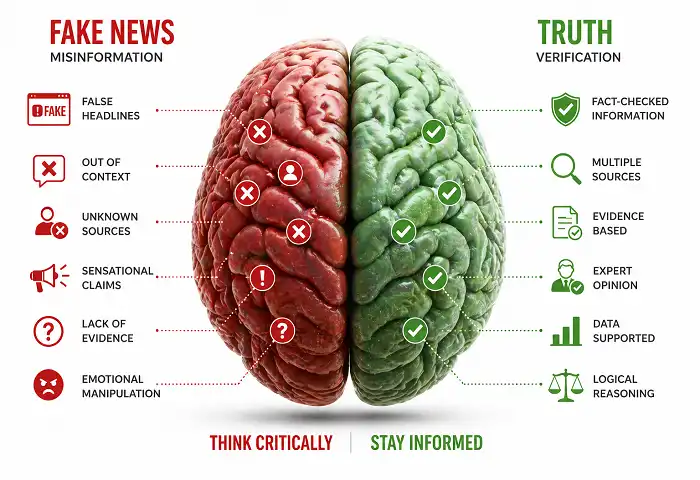
Ultimately, the most powerful tool against the harmful dimensions of MMS viral video news is a media-literate population. Media literacy — the ability to critically evaluate information sources, understand the mechanics of content production and distribution, and make responsible choices about content consumption and sharing — is not a niche skill for journalists or academics. It is a fundamental competency for twenty-first century citizenship that every person who uses a smartphone needs to develop.
Schools, parents, and communities have a shared responsibility to develop media literacy in younger generations before they become fully immersed in viral video online culture. Understanding that a trending MMS video can be fake, manipulated, or shared without context is not cynicism — it is informed caution. Teaching young people to pause before sharing, to question their emotional reactions to viral clip news, and to consider the humanity of people depicted in viral content builds the social resilience that technology companies and governments alone cannot provide.
NGOs, academic institutions, and independent fact-checking organizations have developed excellent free resources for building media literacy skills in all age groups. Organizations like First Draft, the International Fact-Checking Network, and national media literacy initiatives provide accessible, practical tools that anyone can use to become a more discerning consumer and sharer of MMS viral video news and digital media viral content more broadly.
The Future of MMS Viral Video News
Looking ahead, several technological and social trends are likely to shape the evolution of MMS viral video news in the coming years. The continued rollout of 5G networks will further accelerate the speed at which viral video online content travels, making the window for fact-checking even narrower than it already is. Advances in deepfake and synthetic media technology will make it increasingly difficult to distinguish genuine footage from AI-generated fabrications with no connection to reality.
At the same time, AI-powered content moderation tools are improving rapidly. Major platforms are deploying machine learning systems capable of identifying and removing harmful viral clip news content — including non-consensual intimate images — at a scale and speed that human moderation teams cannot match alone. These systems are imperfect and sometimes over-broad in their application, but they represent a genuine improvement in the platform ecosystem’s ability to limit the damage caused by harmful trending MMS video content.
Regulatory pressure on platforms will intensify globally throughout the remainder of this decade. Legislators across Europe, Asia, and North America are drafting and implementing laws that hold technology companies more directly accountable for the content that spreads on their platforms. The era of complete platform immunity for harmful MMS viral video content is drawing to a close, and the legal and commercial incentives for platforms to invest in better safety systems have never been stronger than they are today.
Blockchain-based content provenance systems — technologies that embed verifiable metadata into video files at the moment of creation, allowing anyone to check the origin and editing history of a clip — are being developed and deployed by a growing number of companies and news organizations. If widely adopted, these systems could make it significantly harder to pass off manipulated footage as authentic viral clip news, fundamentally changing the evidentiary landscape for digital video content.
Conclusion: Navigating MMS Viral Video News Responsibly
MMS viral video news is one of the defining media phenomena of our time. It has genuine power to inform, entertain, and hold the powerful accountable. But it also has a dark side — one capable of destroying lives, spreading dangerous falsehoods, and tearing communities apart. The difference between these outcomes lies not in the technology itself but in how we as individuals and societies choose to engage with viral MMS video content every day.
Every time you receive a trending MMS video, you face a small but real choice: to forward uncritically, contributing to the viral spread of content whose authenticity and ethics you have not verified; or to pause, think, and act responsibly. The cumulative effect of millions of people making that responsible choice even once a day would be transformative for the digital information environment in which we all now live and work.
Stay informed about MMS viral video news through reputable sources. Use fact-checking tools before you share. Respect the privacy and dignity of people depicted in viral content. Report harmful material through official platform channels. And above all, remember that behind every viral clip is a real world — with real consequences for real people. That awareness is the foundation of responsible digital citizenship in the age of the viral MMS video, and it is something each of us has the power to practice starting today.